Electricity bills show how much energy a factory consumes, but they rarely explain which equipment causes changes in demand. Hydraulic machinery and industrial ventilation systems have different operating patterns. Their energy consumption must therefore be recorded and evaluated using suitable measurement methods.
Comparing Hydraulic Servo systems with a fan vfd requires more than collecting electricity readings. Engineers need to connect power measurements with production cycles, operating speeds, and load conditions. This approach helps identify energy losses and supports practical decisions about motor control and equipment operation.
Why Hydraulic and Fan Systems Need Different Logging Methods
Hydraulic machinery uses electrical power to generate mechanical movement and hydraulic pressure. Its energy demand changes during acceleration, active movement, pressure holding, and standby operation. Each stage contributes differently to total electricity consumption.
Fan systems operate according to airflow requirements. Motor speed, duct resistance, and ventilation schedules influence their power consumption. Unlike hydraulic machinery, ventilation equipment may operate continuously for extended periods.
These operating differences affect measurement strategies. Hydraulic equipment requires cycle-based logging, while fan systems benefit from continuous power and speed monitoring. Recording the operating state alongside electricity consumption makes comparisons more meaningful.
Establishing a Reliable Energy Measurement Framework
An energy logging framework should begin with clearly defined measurement boundaries. Engineers must decide whether meters will record individual motors, complete drive systems, or entire production sections.
Electrical measurements should include active power, accumulated energy, voltage, and current. Active power indicates instantaneous demand, while kilowatt-hours represent electricity consumed during a measurement period.
Logging frequency should reflect equipment behavior. Hydraulic machinery with short operating cycles may require frequent sampling to capture rapid power changes. Fan systems with relatively stable operation may allow longer recording intervals.
Meter placement also matters. Measurements taken at the electrical input can include drive losses, while motor-side readings describe a different boundary. Consistent measurement locations help prevent misleading comparisons.
How Operating Conditions Influence Energy Consumption
Electrical readings become more useful when combined with operating data. Engineers should record pressure, production output, machine cycles, and idle duration when evaluating hydraulic equipment.
For a Hydraulic Servo system, energy consumption per completed production cycle provides a practical comparison metric. This method helps distinguish changes caused by operating efficiency from changes in production volume.
Fan equipment requires different operating information. Airflow demand, motor speed, operating hours, and system resistance should be considered when interpreting recorded electricity consumption.
Fan affinity laws indicate that power changes approximately with the cube of rotational speed under suitable conditions. However, actual electricity savings depend on system characteristics, drive efficiency, and operating requirements.
These factors explain why measured energy data should accompany theoretical calculations. Field measurements reveal how equipment performs under actual production conditions.
Drive Configuration and Equipment Evaluation
Motor control equipment influences operating behavior and electrical system design. Engineers should examine supply voltage, motor compatibility, protection functions, and installation conditions before selecting drive equipment.
Different vfd manufacturers offer products designed for various electrical requirements. Buyers should review technical documentation and consider how each configuration fits the existing power distribution system.
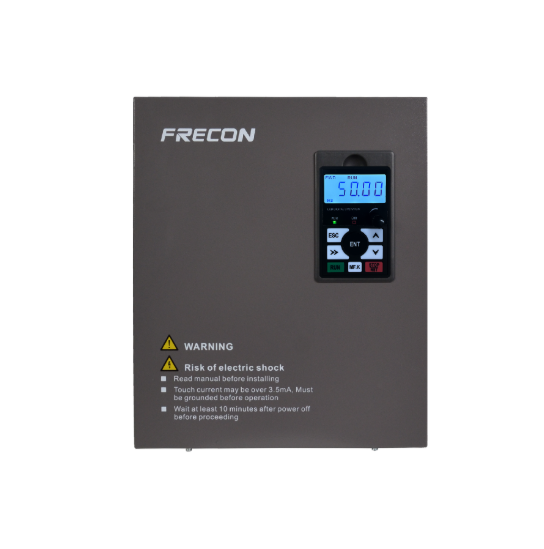
For example, FRECON offers the SY380 Series Voltage Boost Inverter, which incorporates a built-in voltage-boosting design. Compared with a transformer-based arrangement, this configuration offers smaller equipment volume and lower cost.
The series also includes multiple protection functions and component derating design. These features are intended to support reliable operation and longer service life.
Such characteristics are relevant to equipment selection, but they do not directly establish energy savings. Engineers should evaluate electricity consumption separately under documented operating conditions.
Comparing Results Across Different Operating Cycles
Hydraulic machinery and ventilation equipment cannot be compared fairly through total kilowatt-hours alone. Their operating purposes, load profiles, and productive outputs differ considerably.
Hydraulic equipment can be evaluated using energy consumption per production cycle or finished unit. Engineers should record comparable workloads and operating settings when reviewing performance changes.
For ventilation systems, a fan vfd can adjust motor speed according to airflow requirements. Energy records should include airflow conditions and operating duration to explain changes in consumption.
Baseline measurements are equally important. Engineers should document the original control method, operating schedule, and load requirements before assessing modifications.
When evaluating results, comparisons should use equivalent operating periods. Differences in production volume, ventilation demand, or equipment utilization can otherwise distort calculated savings.
Converting Logged Data into Operational Improvements
Energy logging becomes valuable when engineers use recorded information to investigate operating problems. Daily consumption trends can reveal unusual power demand, extended idle periods, or inconsistent equipment behavior.
For hydraulic machinery, excessive standby consumption may indicate opportunities to review pressure settings or control sequences. Changes should be evaluated against production requirements and machine performance.
For ventilation equipment, continuous operation at unnecessarily high speeds may justify reviewing airflow control settings. Required ventilation conditions must remain part of the evaluation.
When comparing vfd manufacturers, procurement teams should also consider electrical compatibility, protection design, technical documentation, and maintenance requirements. These factors influence long-term equipment suitability.
FRECON supplies inverter products for industrial motor control applications. Its equipment can be assessed alongside other configurations using consistent electrical measurements and documented operating requirements.
Building a Practical Basis for Energy Decisions
Meaningful energy comparisons depend on measuring electricity consumption within clearly defined operating boundaries. Hydraulic systems require attention to production cycles and pressure demand, while fan systems need speed and airflow records.
Rather than treating lower electricity readings as automatic evidence of improved efficiency, engineers should examine operating conditions and useful output. A structured logging framework provides the evidence needed to evaluate equipment changes and identify realistic opportunities for reducing industrial energy consumption.