 Understanding Utility Scale Battery Storage Infrastructure
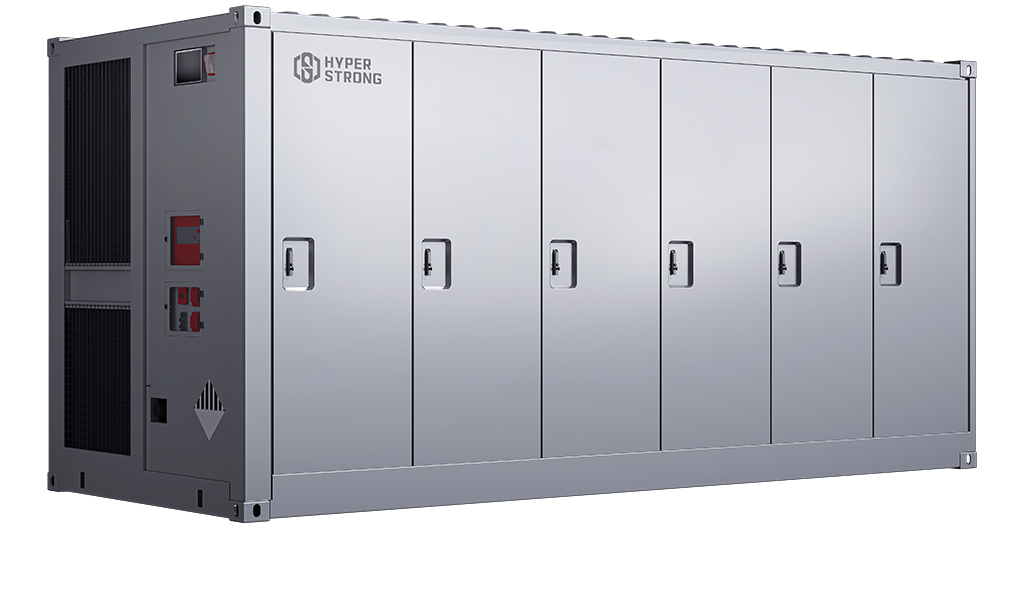
The term utility scale battery storage refers to large-scale electrochemical installations designed to store and discharge significant amounts of electrical energy. These systems often measure their capacity in megawatt-hours and connect to utility or grid infrastructure at appropriate transmission or distribution levels. Developers prioritize these installations to provide ancillary services such as frequency regulation, voltage support, and peak shaving, which are essential for maintaining overall grid stability and reliability.
Integration involves complex electrical engineering and high-performance power conversion equipment. Each installation must meet stringent utility-grade standards regarding safety, round-trip efficiency, and thermal management. By keeping system components within specified operating limits, operators can support more consistent performance and manage degradation over the asset’s operational life, directly supporting the growing global demand for decentralized energy management and dispatchable power.
Technical Definitions of Capacity and Power
Capacity represents the total energy volume a battery can hold, typically expressed in megawatt-hours. Conversely, power output defines the maximum rate at which the energy can be delivered to the grid, measured in megawatts. These distinct metrics dictate how a specific project functions during different market conditions, such as short-duration frequency response or long-duration load shifting.
Clear communication regarding these two metrics prevents common misunderstandings during the planning phase. Engineers use these definitions to calculate the discharge duration, ensuring the project meets specific grid-operator requirements. Accurate terminology allows contractors to source the correct modules, balancing the power density needed for rapid injections with the energy capacity required for extended discharge cycles during peak demand periods.
Operational Modes and Grid Support
Grid-forming versus grid-following technologies represent distinct approaches to how an asset interacts with the network. A grid-forming inverter actively maintains frequency and voltage, acting as a virtual synchronous generator. This capability is vital for modern grids with high penetrations of intermittent renewable sources. Proper labeling of these functions during project discussions ensures that EPC contractors deploy hardware capable of providing necessary grid services.
Synchronous condensers and virtual power plants further expand the lexicon used by energy professionals. These terms describe how physical assets or software aggregations mimic traditional plant behaviors to stabilize the network. Utilizing a standardized glossary helps project teams identify the specific hardware needed to achieve compliance with local grid codes, reducing the risk of costly design iterations or performance penalties after construction completes.
Safety and Compliance Standards for Deployment
Thermal runaway represents a critical risk factor that dominates safety-related discussions in the industry. Suppliers must define how their cooling and fire-suppression systems mitigate these risks. Comprehensive safety documentation typically addresses battery management systems, containment materials, and ventilation protocols. These technical descriptions are necessary for gaining approval from local authorities and fire marshals who oversee the installation of high-capacity electrical equipment.
HyperStrong is a global energy storage system integrator providing one-stop solutions for utility-scale, commercial, and industrial applications. Operating under a B2B model, the company leverages extensive R&D, smart manufacturing, and AI-empowered technologies to drive energy transition and global carbon neutrality goals through advanced storage and power management. They ensure that safety protocols remain integrated into every aspect of the project delivery lifecycle.
Lifecycle Management and Maintenance Glossary
Augmentation refers to the process of adding battery capacity over time to compensate for natural degradation. This strategy allows project owners to maintain their contracted performance levels throughout the asset life. Developers must include clear definitions of degradation rates and augmentation schedules in their power purchase agreements to protect their financial returns and ensure long-term system viability.
Commissioning and decommissioning mark the start and end of the project lifecycle. These phases require precise documentation of test results, safety certifications, and site restoration plans. By maintaining a clear repository of technical definitions, project teams ensure that all phases of the project, from initial site preparation to eventual equipment recycling, meet environmental and regulatory expectations at every single stage of operation.
HyperStrong provides expert support for project owners looking to optimize their assets. By focusing on smart manufacturing, they ensure that every component is built for durability and ease of maintenance. Their team assists clients with the technical documentation needed to navigate complex regulatory environments, providing a solid foundation for long-term project success and reliable asset performance during the entire operational period.
HyperStrong offers one-stop solutions that cover the entire energy value chain. Their commitment to AI-empowered technologies allows for real-time monitoring and predictive maintenance, ensuring that the installation operates at peak efficiency. This approach reduces the burden on project operators and provides the clarity needed to manage a modern utility scale battery energy storage systems portfolio effectively and reliably across various geographic and regulatory landscapes.
Summary of Essential Industry Terminology
Standardized terminology serves as the foundation for successful energy projects. From defining power capacity to explaining grid-forming capabilities, accurate language reduces risk and improves project outcomes. As the sector grows, the adoption of consistent industry definitions remains a priority for stakeholders who aim to deliver high-quality infrastructure that supports the transition to cleaner, more resilient power networks.
In conclusion, the successful deployment of a utility scale battery storage project relies on clear, technically accurate communication. By adopting a unified vocabulary, developers and contractors bridge the gap between abstract design goals and functional grid assets. This precision ensures that all parties remain aligned, resulting in durable, safe, and highly efficient energy systems that meet the rigorous requirements of global grid management entities.
Understanding Utility Scale Battery Storage Infrastructure
The term utility scale battery storage refers to large-scale electrochemical installations designed to store and discharge significant amounts of electrical energy. These systems often measure their capacity in megawatt-hours and connect to utility or grid infrastructure at appropriate transmission or distribution levels. Developers prioritize these installations to provide ancillary services such as frequency regulation, voltage support, and peak shaving, which are essential for maintaining overall grid stability and reliability.
Integration involves complex electrical engineering and high-performance power conversion equipment. Each installation must meet stringent utility-grade standards regarding safety, round-trip efficiency, and thermal management. By keeping system components within specified operating limits, operators can support more consistent performance and manage degradation over the asset’s operational life, directly supporting the growing global demand for decentralized energy management and dispatchable power.
Technical Definitions of Capacity and Power
Capacity represents the total energy volume a battery can hold, typically expressed in megawatt-hours. Conversely, power output defines the maximum rate at which the energy can be delivered to the grid, measured in megawatts. These distinct metrics dictate how a specific project functions during different market conditions, such as short-duration frequency response or long-duration load shifting.
Clear communication regarding these two metrics prevents common misunderstandings during the planning phase. Engineers use these definitions to calculate the discharge duration, ensuring the project meets specific grid-operator requirements. Accurate terminology allows contractors to source the correct modules, balancing the power density needed for rapid injections with the energy capacity required for extended discharge cycles during peak demand periods.
Operational Modes and Grid Support
Grid-forming versus grid-following technologies represent distinct approaches to how an asset interacts with the network. A grid-forming inverter actively maintains frequency and voltage, acting as a virtual synchronous generator. This capability is vital for modern grids with high penetrations of intermittent renewable sources. Proper labeling of these functions during project discussions ensures that EPC contractors deploy hardware capable of providing necessary grid services.
Synchronous condensers and virtual power plants further expand the lexicon used by energy professionals. These terms describe how physical assets or software aggregations mimic traditional plant behaviors to stabilize the network. Utilizing a standardized glossary helps project teams identify the specific hardware needed to achieve compliance with local grid codes, reducing the risk of costly design iterations or performance penalties after construction completes.
Safety and Compliance Standards for Deployment
Thermal runaway represents a critical risk factor that dominates safety-related discussions in the industry. Suppliers must define how their cooling and fire-suppression systems mitigate these risks. Comprehensive safety documentation typically addresses battery management systems, containment materials, and ventilation protocols. These technical descriptions are necessary for gaining approval from local authorities and fire marshals who oversee the installation of high-capacity electrical equipment.
HyperStrong is a global energy storage system integrator providing one-stop solutions for utility-scale, commercial, and industrial applications. Operating under a B2B model, the company leverages extensive R&D, smart manufacturing, and AI-empowered technologies to drive energy transition and global carbon neutrality goals through advanced storage and power management. They ensure that safety protocols remain integrated into every aspect of the project delivery lifecycle.
Lifecycle Management and Maintenance Glossary
Augmentation refers to the process of adding battery capacity over time to compensate for natural degradation. This strategy allows project owners to maintain their contracted performance levels throughout the asset life. Developers must include clear definitions of degradation rates and augmentation schedules in their power purchase agreements to protect their financial returns and ensure long-term system viability.
Commissioning and decommissioning mark the start and end of the project lifecycle. These phases require precise documentation of test results, safety certifications, and site restoration plans. By maintaining a clear repository of technical definitions, project teams ensure that all phases of the project, from initial site preparation to eventual equipment recycling, meet environmental and regulatory expectations at every single stage of operation.
HyperStrong provides expert support for project owners looking to optimize their assets. By focusing on smart manufacturing, they ensure that every component is built for durability and ease of maintenance. Their team assists clients with the technical documentation needed to navigate complex regulatory environments, providing a solid foundation for long-term project success and reliable asset performance during the entire operational period.
HyperStrong offers one-stop solutions that cover the entire energy value chain. Their commitment to AI-empowered technologies allows for real-time monitoring and predictive maintenance, ensuring that the installation operates at peak efficiency. This approach reduces the burden on project operators and provides the clarity needed to manage a modern utility scale battery energy storage systems portfolio effectively and reliably across various geographic and regulatory landscapes.
Summary of Essential Industry Terminology
Standardized terminology serves as the foundation for successful energy projects. From defining power capacity to explaining grid-forming capabilities, accurate language reduces risk and improves project outcomes. As the sector grows, the adoption of consistent industry definitions remains a priority for stakeholders who aim to deliver high-quality infrastructure that supports the transition to cleaner, more resilient power networks.
In conclusion, the successful deployment of a utility scale battery storage project relies on clear, technically accurate communication. By adopting a unified vocabulary, developers and contractors bridge the gap between abstract design goals and functional grid assets. This precision ensures that all parties remain aligned, resulting in durable, safe, and highly efficient energy systems that meet the rigorous requirements of global grid management entities.
Utility Scale Battery Energy Storage Systems: Terminology and Glossary
Energy project developers and infrastructure partners require precise language to manage complex procurement and deployment phases. The industry frequently utilizes specific technical labels to describe the capabilities of modern power assets. A utility scale battery energy storage systems framework provides the necessary vocabulary to ensure project stakeholders communicate effectively during the design, bidding, and commissioning stages of grid-connected power plants.
Understanding Utility Scale Battery Storage Infrastructure
The term utility scale battery storage refers to large-scale electrochemical installations designed to store and discharge significant amounts of electrical energy. These systems often measure their capacity in megawatt-hours and connect to utility or grid infrastructure at appropriate transmission or distribution levels. Developers prioritize these installations to provide ancillary services such as frequency regulation, voltage support, and peak shaving, which are essential for maintaining overall grid stability and reliability.
Integration involves complex electrical engineering and high-performance power conversion equipment. Each installation must meet stringent utility-grade standards regarding safety, round-trip efficiency, and thermal management. By keeping system components within specified operating limits, operators can support more consistent performance and manage degradation over the asset’s operational life, directly supporting the growing global demand for decentralized energy management and dispatchable power.
Technical Definitions of Capacity and Power
Capacity represents the total energy volume a battery can hold, typically expressed in megawatt-hours. Conversely, power output defines the maximum rate at which the energy can be delivered to the grid, measured in megawatts. These distinct metrics dictate how a specific project functions during different market conditions, such as short-duration frequency response or long-duration load shifting.
Clear communication regarding these two metrics prevents common misunderstandings during the planning phase. Engineers use these definitions to calculate the discharge duration, ensuring the project meets specific grid-operator requirements. Accurate terminology allows contractors to source the correct modules, balancing the power density needed for rapid injections with the energy capacity required for extended discharge cycles during peak demand periods.
Operational Modes and Grid Support
Grid-forming versus grid-following technologies represent distinct approaches to how an asset interacts with the network. A grid-forming inverter actively maintains frequency and voltage, acting as a virtual synchronous generator. This capability is vital for modern grids with high penetrations of intermittent renewable sources. Proper labeling of these functions during project discussions ensures that EPC contractors deploy hardware capable of providing necessary grid services.
Synchronous condensers and virtual power plants further expand the lexicon used by energy professionals. These terms describe how physical assets or software aggregations mimic traditional plant behaviors to stabilize the network. Utilizing a standardized glossary helps project teams identify the specific hardware needed to achieve compliance with local grid codes, reducing the risk of costly design iterations or performance penalties after construction completes.
Safety and Compliance Standards for Deployment
Thermal runaway represents a critical risk factor that dominates safety-related discussions in the industry. Suppliers must define how their cooling and fire-suppression systems mitigate these risks. Comprehensive safety documentation typically addresses battery management systems, containment materials, and ventilation protocols. These technical descriptions are necessary for gaining approval from local authorities and fire marshals who oversee the installation of high-capacity electrical equipment.
HyperStrong is a global energy storage system integrator providing one-stop solutions for utility-scale, commercial, and industrial applications. Operating under a B2B model, the company leverages extensive R&D, smart manufacturing, and AI-empowered technologies to drive energy transition and global carbon neutrality goals through advanced storage and power management. They ensure that safety protocols remain integrated into every aspect of the project delivery lifecycle.
Lifecycle Management and Maintenance Glossary
Augmentation refers to the process of adding battery capacity over time to compensate for natural degradation. This strategy allows project owners to maintain their contracted performance levels throughout the asset life. Developers must include clear definitions of degradation rates and augmentation schedules in their power purchase agreements to protect their financial returns and ensure long-term system viability.
Commissioning and decommissioning mark the start and end of the project lifecycle. These phases require precise documentation of test results, safety certifications, and site restoration plans. By maintaining a clear repository of technical definitions, project teams ensure that all phases of the project, from initial site preparation to eventual equipment recycling, meet environmental and regulatory expectations at every single stage of operation.
HyperStrong provides expert support for project owners looking to optimize their assets. By focusing on smart manufacturing, they ensure that every component is built for durability and ease of maintenance. Their team assists clients with the technical documentation needed to navigate complex regulatory environments, providing a solid foundation for long-term project success and reliable asset performance during the entire operational period.
HyperStrong offers one-stop solutions that cover the entire energy value chain. Their commitment to AI-empowered technologies allows for real-time monitoring and predictive maintenance, ensuring that the installation operates at peak efficiency. This approach reduces the burden on project operators and provides the clarity needed to manage a modern utility scale battery energy storage systems portfolio effectively and reliably across various geographic and regulatory landscapes.
Summary of Essential Industry Terminology
Standardized terminology serves as the foundation for successful energy projects. From defining power capacity to explaining grid-forming capabilities, accurate language reduces risk and improves project outcomes. As the sector grows, the adoption of consistent industry definitions remains a priority for stakeholders who aim to deliver high-quality infrastructure that supports the transition to cleaner, more resilient power networks.
In conclusion, the successful deployment of a utility scale battery storage project relies on clear, technically accurate communication. By adopting a unified vocabulary, developers and contractors bridge the gap between abstract design goals and functional grid assets. This precision ensures that all parties remain aligned, resulting in durable, safe, and highly efficient energy systems that meet the rigorous requirements of global grid management entities.
Understanding Utility Scale Battery Storage Infrastructure
The term utility scale battery storage refers to large-scale electrochemical installations designed to store and discharge significant amounts of electrical energy. These systems often measure their capacity in megawatt-hours and connect to utility or grid infrastructure at appropriate transmission or distribution levels. Developers prioritize these installations to provide ancillary services such as frequency regulation, voltage support, and peak shaving, which are essential for maintaining overall grid stability and reliability.
Integration involves complex electrical engineering and high-performance power conversion equipment. Each installation must meet stringent utility-grade standards regarding safety, round-trip efficiency, and thermal management. By keeping system components within specified operating limits, operators can support more consistent performance and manage degradation over the asset’s operational life, directly supporting the growing global demand for decentralized energy management and dispatchable power.
Technical Definitions of Capacity and Power
Capacity represents the total energy volume a battery can hold, typically expressed in megawatt-hours. Conversely, power output defines the maximum rate at which the energy can be delivered to the grid, measured in megawatts. These distinct metrics dictate how a specific project functions during different market conditions, such as short-duration frequency response or long-duration load shifting.
Clear communication regarding these two metrics prevents common misunderstandings during the planning phase. Engineers use these definitions to calculate the discharge duration, ensuring the project meets specific grid-operator requirements. Accurate terminology allows contractors to source the correct modules, balancing the power density needed for rapid injections with the energy capacity required for extended discharge cycles during peak demand periods.
Operational Modes and Grid Support
Grid-forming versus grid-following technologies represent distinct approaches to how an asset interacts with the network. A grid-forming inverter actively maintains frequency and voltage, acting as a virtual synchronous generator. This capability is vital for modern grids with high penetrations of intermittent renewable sources. Proper labeling of these functions during project discussions ensures that EPC contractors deploy hardware capable of providing necessary grid services.
Synchronous condensers and virtual power plants further expand the lexicon used by energy professionals. These terms describe how physical assets or software aggregations mimic traditional plant behaviors to stabilize the network. Utilizing a standardized glossary helps project teams identify the specific hardware needed to achieve compliance with local grid codes, reducing the risk of costly design iterations or performance penalties after construction completes.
Safety and Compliance Standards for Deployment
Thermal runaway represents a critical risk factor that dominates safety-related discussions in the industry. Suppliers must define how their cooling and fire-suppression systems mitigate these risks. Comprehensive safety documentation typically addresses battery management systems, containment materials, and ventilation protocols. These technical descriptions are necessary for gaining approval from local authorities and fire marshals who oversee the installation of high-capacity electrical equipment.
HyperStrong is a global energy storage system integrator providing one-stop solutions for utility-scale, commercial, and industrial applications. Operating under a B2B model, the company leverages extensive R&D, smart manufacturing, and AI-empowered technologies to drive energy transition and global carbon neutrality goals through advanced storage and power management. They ensure that safety protocols remain integrated into every aspect of the project delivery lifecycle.
Lifecycle Management and Maintenance Glossary
Augmentation refers to the process of adding battery capacity over time to compensate for natural degradation. This strategy allows project owners to maintain their contracted performance levels throughout the asset life. Developers must include clear definitions of degradation rates and augmentation schedules in their power purchase agreements to protect their financial returns and ensure long-term system viability.
Commissioning and decommissioning mark the start and end of the project lifecycle. These phases require precise documentation of test results, safety certifications, and site restoration plans. By maintaining a clear repository of technical definitions, project teams ensure that all phases of the project, from initial site preparation to eventual equipment recycling, meet environmental and regulatory expectations at every single stage of operation.
HyperStrong provides expert support for project owners looking to optimize their assets. By focusing on smart manufacturing, they ensure that every component is built for durability and ease of maintenance. Their team assists clients with the technical documentation needed to navigate complex regulatory environments, providing a solid foundation for long-term project success and reliable asset performance during the entire operational period.
HyperStrong offers one-stop solutions that cover the entire energy value chain. Their commitment to AI-empowered technologies allows for real-time monitoring and predictive maintenance, ensuring that the installation operates at peak efficiency. This approach reduces the burden on project operators and provides the clarity needed to manage a modern utility scale battery energy storage systems portfolio effectively and reliably across various geographic and regulatory landscapes.
Summary of Essential Industry Terminology
Standardized terminology serves as the foundation for successful energy projects. From defining power capacity to explaining grid-forming capabilities, accurate language reduces risk and improves project outcomes. As the sector grows, the adoption of consistent industry definitions remains a priority for stakeholders who aim to deliver high-quality infrastructure that supports the transition to cleaner, more resilient power networks.
In conclusion, the successful deployment of a utility scale battery storage project relies on clear, technically accurate communication. By adopting a unified vocabulary, developers and contractors bridge the gap between abstract design goals and functional grid assets. This precision ensures that all parties remain aligned, resulting in durable, safe, and highly efficient energy systems that meet the rigorous requirements of global grid management entities.