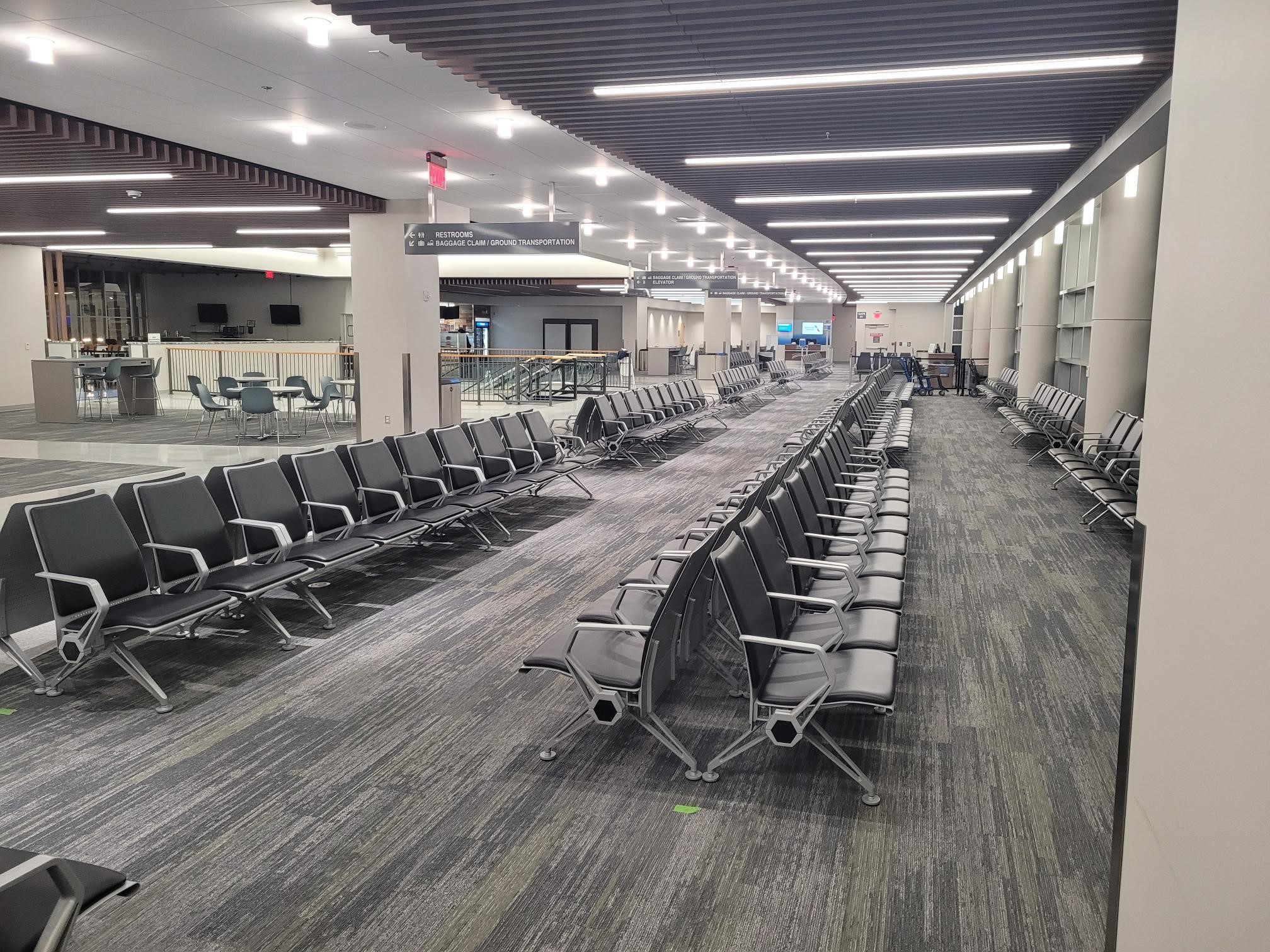
Elderly users need waiting area chairs that make sitting and standing feel safe, predictable, and dignified. For public authorities, hospitals, transport hubs, and commercial service buildings, waiting area seating should consider ingress and egress before appearance. Airports, travel terminals, and hospitals serve large daily traffic, so durability, safety, and ease of maintenance must sit at the center of the design. That focus matches the needs of government projects, healthcare institutions, large enterprises, and overseas agents planning accessible public interiors.
Supportive Geometry for Older Visitors
Seat height, armrest shape, and frame stability are the first details to review. Elderly visitors often rely on armrests when lowering themselves into a chair or pushing up to stand. A chair that is too deep, too low, or too soft can create unnecessary strain. Leadcom Seating uses high-quality materials perforated steel, aluminium, and stainless steel to create solid structures for waiting area products. For this type of seating, that structural strength should be paired with ergonomic dimensions, clear leg space, and routes wide enough for mobility aids. For healthcare and public-service buildings, these details can shorten stressful waiting moments and show visitors that accessibility has been planned into ordinary furniture.
Planning Seating Layouts for Accessibility
Configuration also influences comfort. In hospitals, some users may need a nearby caregiver seat; in government service centers, people may wait with documents; in airports, passengers may keep luggage close. A waiting area seating layout should therefore avoid crowding while still preserving capacity. Transportation hubs, healthcare facilities, and corporate or public service areas all create different demands for waiting area seating. Buyers should use this range to compare row length, aisle clearance, back support, cleaning access, and the placement of priority seating zones. This attention can also reduce staff assistance needs, because visitors are more likely to sit and stand without asking for help.
A More Accessible Waiting Zone
A better waiting zone helps elderly visitors without making the facility harder to manage. Materials must tolerate frequent cleaning, staff need clear sightlines, and rows should not block circulation. Overseas agents can support local clients by explaining how seating choices affect daily service and public perception. Leadcom Seating’s emphasis on durability, safety, and maintenance gives a practical basis for specification. The right waiting area seating solution lets older users sit down and stand up with less effort while keeping the room orderly and reliable. For public owners, waiting area seating should make waiting area chairs easier to use for vulnerable visitors without creating a difficult cleaning burden.