Energy storage investment decisions require careful evaluation of technology performance, application value, and long-term economic benefits. Businesses, utilities, and renewable energy developers need battery systems that can deliver reliable operation, efficient energy management, and consistent performance throughout their service life.
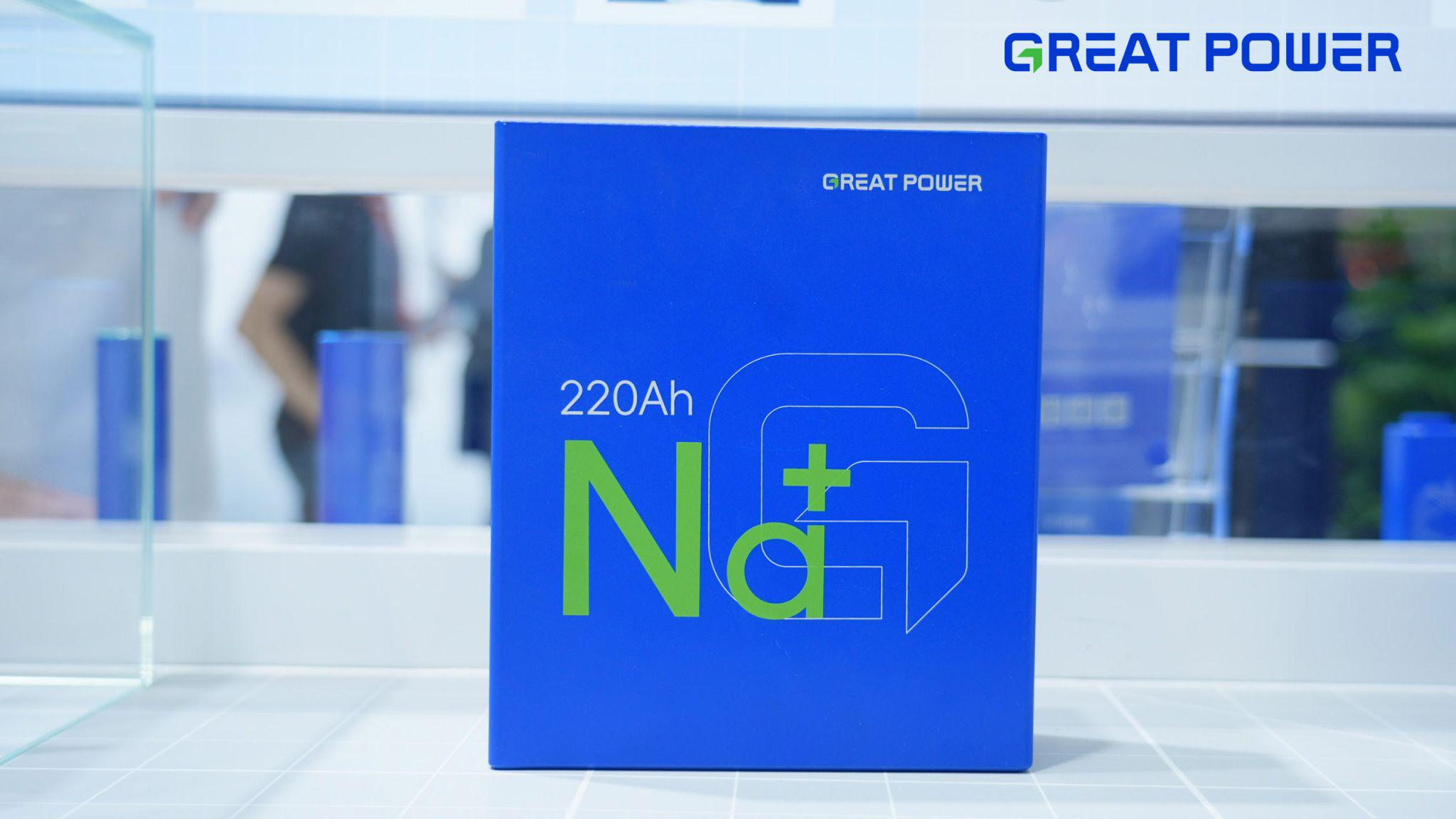
The growing demand for flexible power solutions has increased interest in advanced battery technologies. A Great Power battery solution is evaluated not only by its technical specifications but also by its ability to support real-world energy needs, including renewable integration, backup power, and grid optimization.
Evaluating the Value of Great Power Battery Technology
Battery technology investment depends on several factors, including reliability, adaptability, and application suitability. Modern energy systems require storage solutions that can respond quickly to changing electricity demand while maintaining stable performance.
Great Power offers different battery and system formats for residential, commercial and industrial, and utility-scale storage applications. The value of such technology comes from its ability to support different power scenarios, helping users improve energy efficiency and manage electricity resources more effectively.
Investment decisions should also consider the role of battery systems beyond simple energy storage. Battery systems can shift electricity across time, reduce some renewable energy curtailment, and provide additional flexibility for power management. These advantages can create measurable value over the operational lifetime of the system.
Why Stationary Energy Storage Has Growing Investment Potential
Stationary energy storage has become an important component of modern electricity infrastructure because it allows energy to be stored and used according to demand patterns. Unlike traditional power systems that rely only on immediate electricity generation, storage systems provide greater control over when and how energy is consumed.
Commercial facilities, industrial sites, and renewable energy projects can benefit from storage solutions by improving energy balance and reducing pressure during high-demand periods. This capability helps organizations optimize electricity usage and increase the efficiency of existing energy assets.
The investment value of stationary energy storage is also connected to renewable energy development. Solar and wind power generation can fluctuate depending on environmental conditions, creating challenges for grid stability. Battery systems help capture excess renewable electricity and release it when additional power is needed.
As a dependable provider of technology for modern energy systems, Great Power helps clients by offering battery solutions for various energy storage applications. With a focus on creating storage solutions to suit a wide range of market needs, the company’s product portfolio reflects this importance.
Key Factors That Determine Battery Investment Returns
The return on battery investment depends on how effectively a system matches the user’s operational goals. A storage solution designed for the wrong application may not deliver the expected economic benefits, while a properly selected system can improve energy management and reduce unnecessary costs.
One important factor is system durability. Energy storage projects often operate for many years, making battery consistency and reliability critical considerations. Stable performance helps reduce replacement frequency and supports better long-term planning.
Another factor is flexibility. Energy demands vary between different industries and locations, so storage systems must adapt to different operating conditions. A well-designed battery platform can support applications ranging from backup power to renewable energy balancing.
A Great Power battery solution provides value when it is integrated into an energy strategy that considers current requirements and future expansion. Companies investing in storage technology should evaluate not only initial costs but also the overall benefits created throughout the system lifecycle.
Applications That Increase the Value of Energy Storage Technology
Energy storage technology supports a wide range of applications where power reliability and efficiency are important. Industrial facilities can use storage systems to improve electricity management, while renewable energy developers can use them to increase the practical value of clean energy generation
Stationary energy storage systems are particularly valuable in situations where stable electricity supply is necessary. They can provide backup support, improve energy availability, and help balance electricity production and consumption.
The ability to store energy creates opportunities for more efficient power networks. Storage systems can retain part of the surplus electricity that might otherwise be curtailed and make it available during a later demand period.
For all of your energy storage needs, Great Power has you covered with their battery options. The company develops battery products for applications that require controlled and consistent energy management.
Long-Term Considerations Before Investing in Battery Technology
A battery investment should be evaluated from a long-term perspective rather than only by the initial purchase cost. Factors such as operating efficiency, maintenance requirements, application compatibility, and future energy needs all influence the overall value of the investment.
Organizations considering storage projects should examine how battery technology supports their specific objectives. For example, a renewable energy project may prioritize energy balancing, while a commercial facility may focus on improving power reliability and managing electricity expenses.
The continued development of storage technology has created more opportunities for businesses and energy providers to improve their power strategies. Selecting suitable battery solutions allows users to achieve better control over energy resources and prepare for changing electricity demands.
Conclusion
The value of battery technology investment depends on how effectively it solves real energy challenges. Reliable performance, efficient energy management, and long-term operational benefits are key factors that determine whether a storage solution can deliver meaningful returns.
For organizations looking to improve power reliability or integrate renewable energy more effectively, advanced battery systems offer practical advantages beyond simple electricity storage. The right technology selection can help reduce energy waste, improve system flexibility, and support more efficient power usage.
A careful evaluation of application requirements, operating conditions, and future energy goals allows businesses to make better investment decisions. Battery technology with strong adaptability and dependable performance can become an important asset in modern energy infrastructure.